
Insulation Before & After in Las Vegas, NV
Pictures settle arguments that words can’t. Below you’ll find the kinds of before-and-after jobs we handle across Las Vegas: attics packed with failing insulation, crawl spaces pulling desert moisture into the house, and walls with nothing behind them. Each write-up spells out the problem, what we did, and what changed. The job photos are on the way, and we’ll drop them into the placeholders below.
Recent Transformations
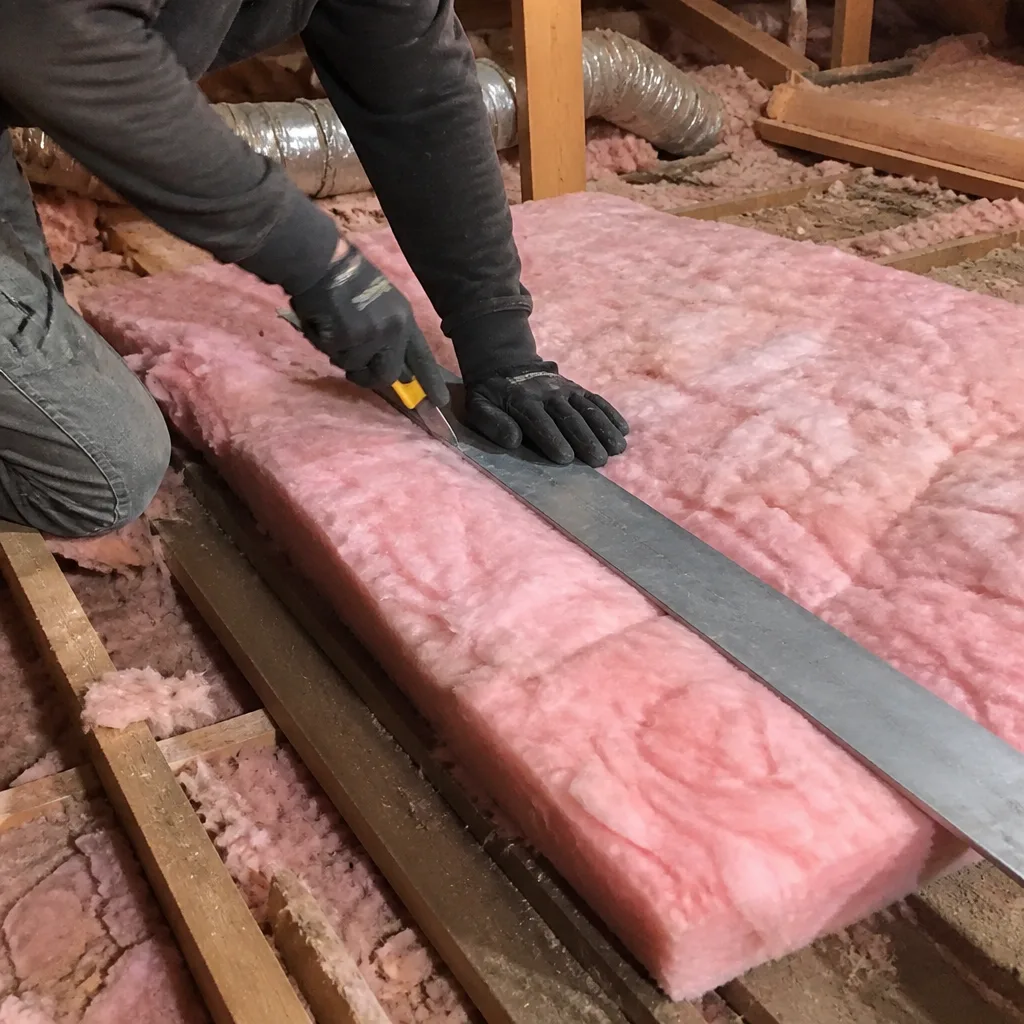
Attic Insulation Upgrade: From Bare Joists to a Full Blanket of Owens Corning
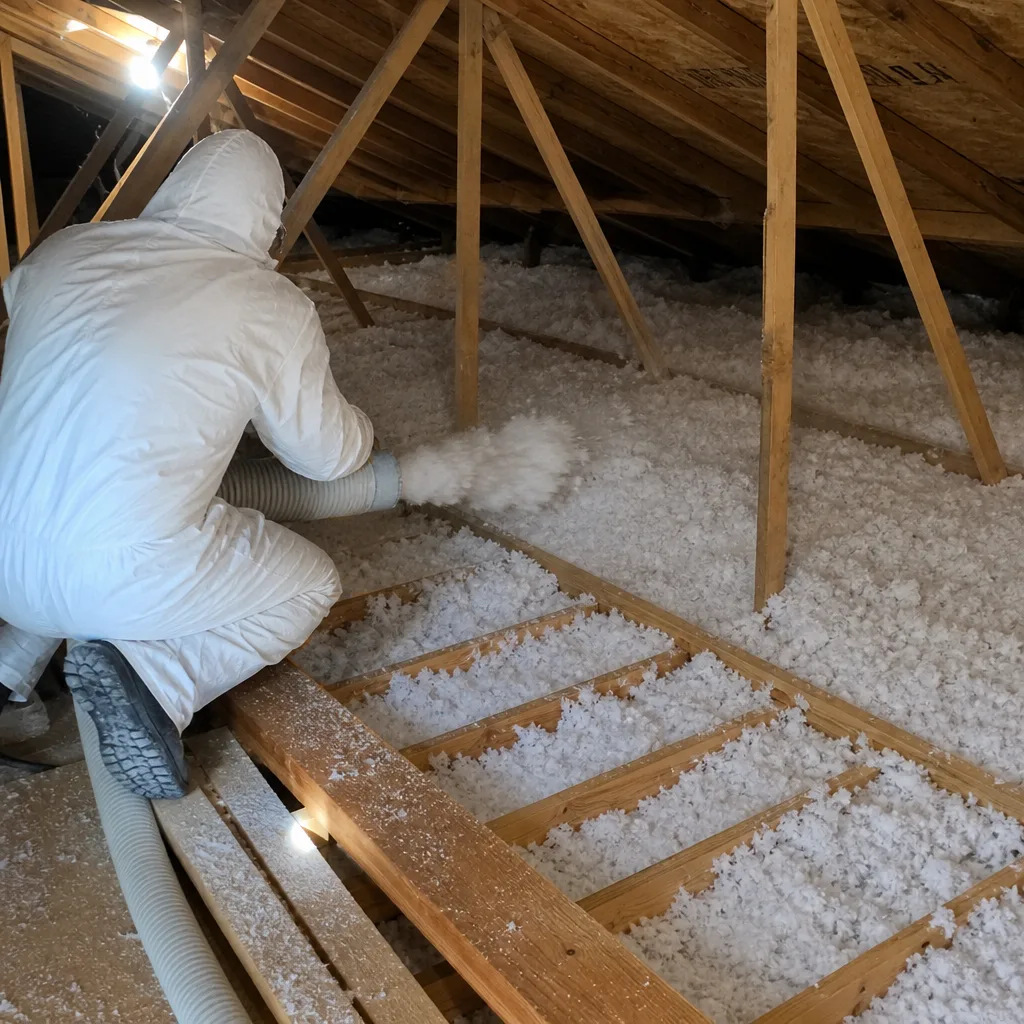
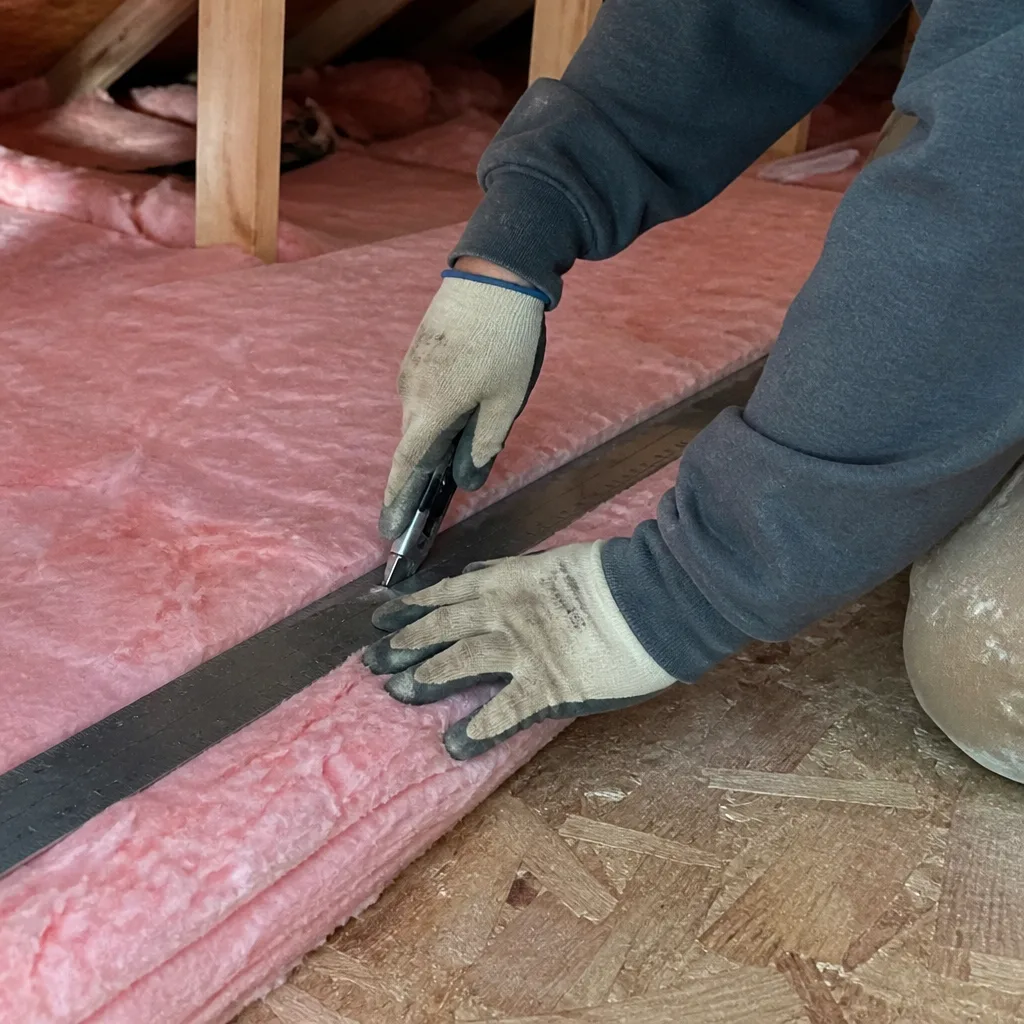
The problem: a homeowner in the far northwest valley was paying to cool the whole street. Insulation had settled to roughly 2 to 3 inches, and once Las Vegas attic temperatures climb past 140°F in July, thin insulation stops resisting anything. What we did: we air sealed around top plates, wiring holes, and the attic access, then blew in Owens Corning blown-in fiberglass to reach R-38, the level our technicians aim for in this climate because the summer heat load here is the main offender. The result: the second floor stopped baking in late afternoon, and the attic itself dropped noticeably when our crew went back to check.
Crawl Space Encapsulation & Vapor Barrier: Sealing Out Desert Moisture
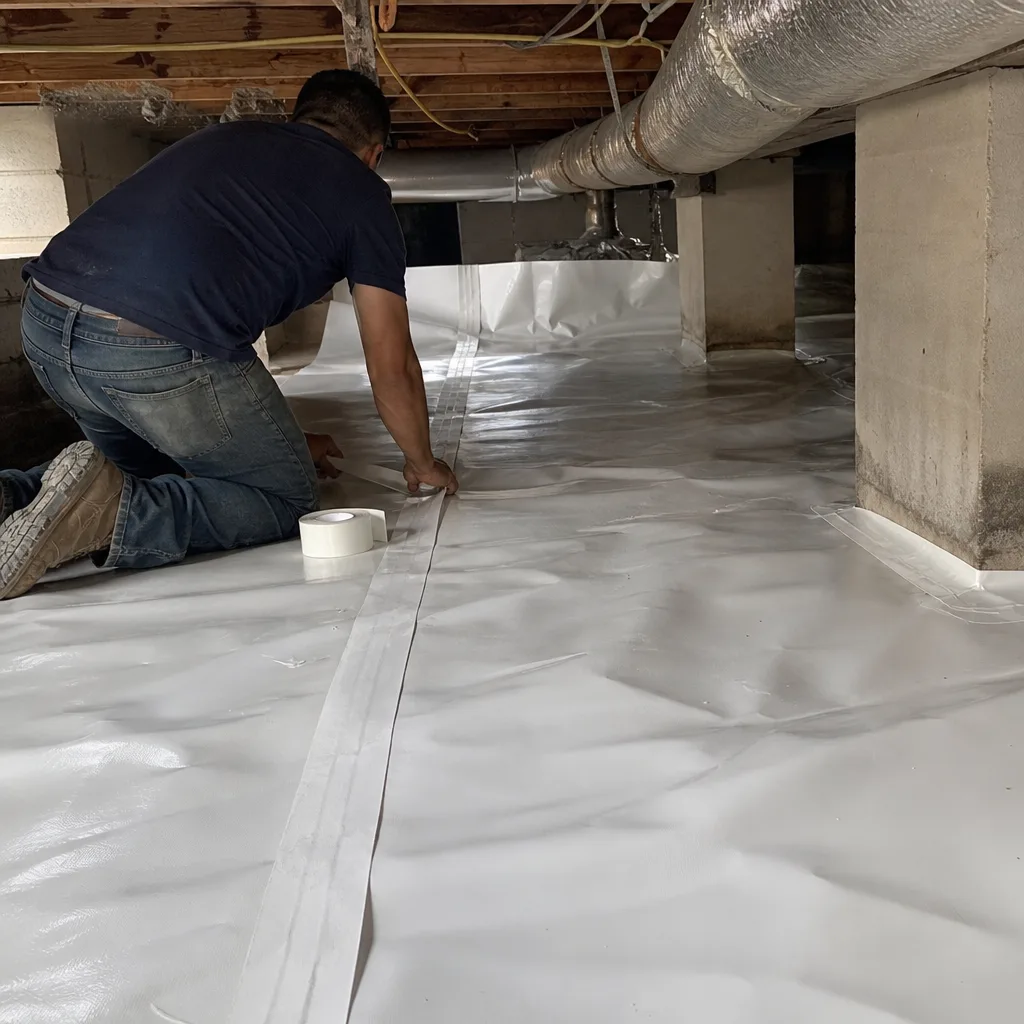
The problem: crawl spaces here don’t fail from rain. They fail from the swing between dry heat and the cooler, moister air that creeps in under a home, and that difference shows up as condensation on floor joists. This one had a vapor barrier shredded by decades of HVAC work and plumbing repairs, with bare dirt underneath. What we did: we cleared the debris, laid and taped a heavy vapor barrier across the soil and up the piers and foundation walls, and sealed the foundation vents so warm outside air couldn’t keep condensing. The result: the musty smell faded within a few weeks, and the floors above felt warmer on cool mornings.
Insulation Removal & Replacement: When Old Batts Are Past Saving
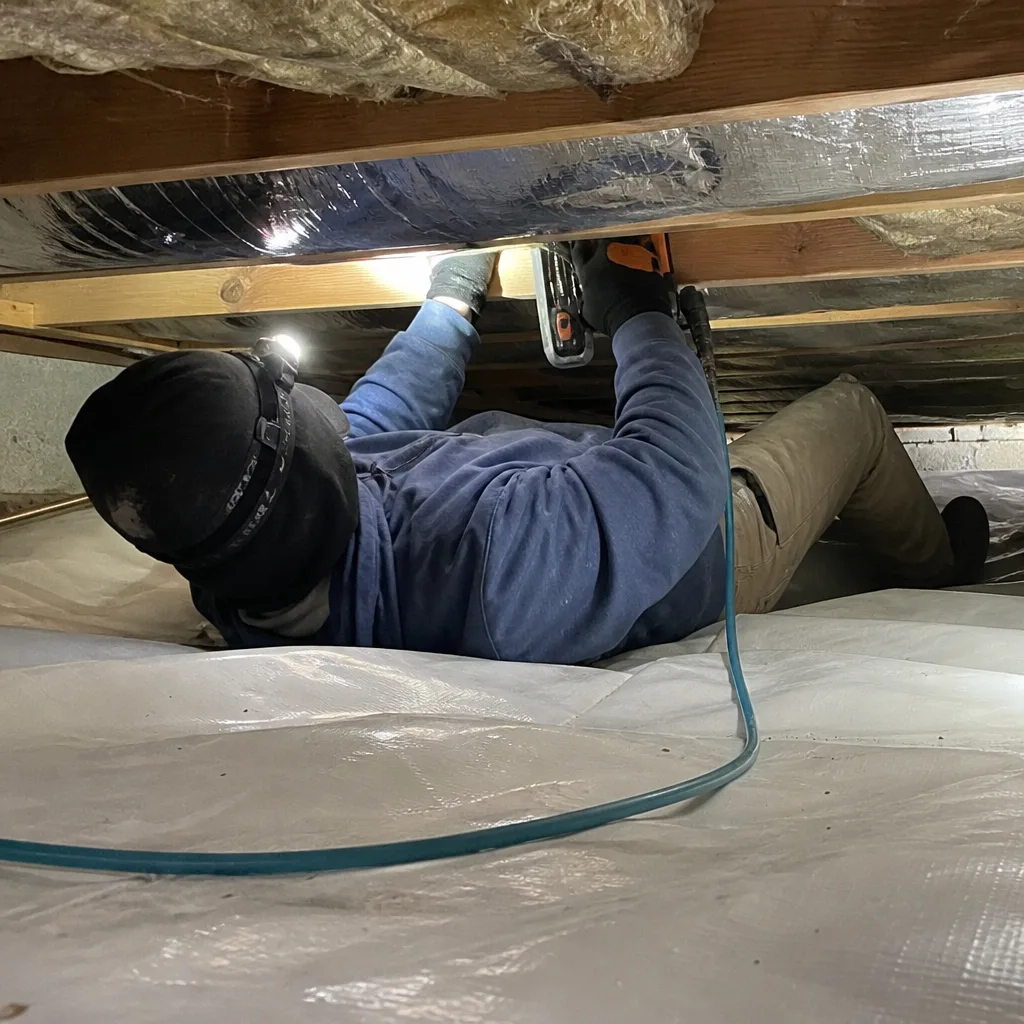
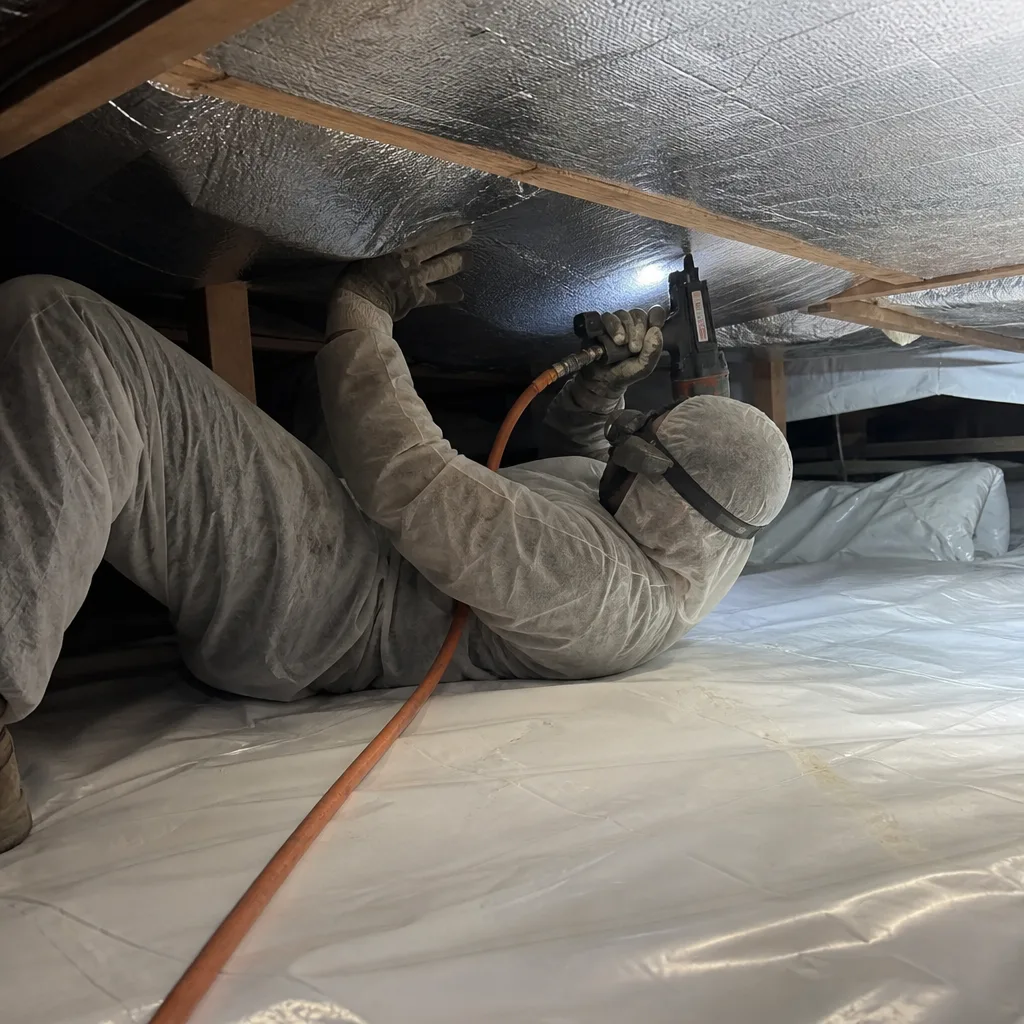
The problem: a homeowner near downtown Las Vegas had insulation that looked fine from the ladder but was compacted, dusty, and sitting under years of dropped construction debris. Nothing we add on top helps if the base is failing. What we did: we vacuumed out the old material, sealed the air leaks it had been hiding around can lights and ceiling penetrations, and installed fresh Rockwool batts before blowing in a top layer to reach our target R-value. The result: a quieter attic, fewer dust intrusions, and a house that held its cool air far longer into the afternoon.
Spray Foam Insulation: Closing a Leaky Attic Ceiling Line
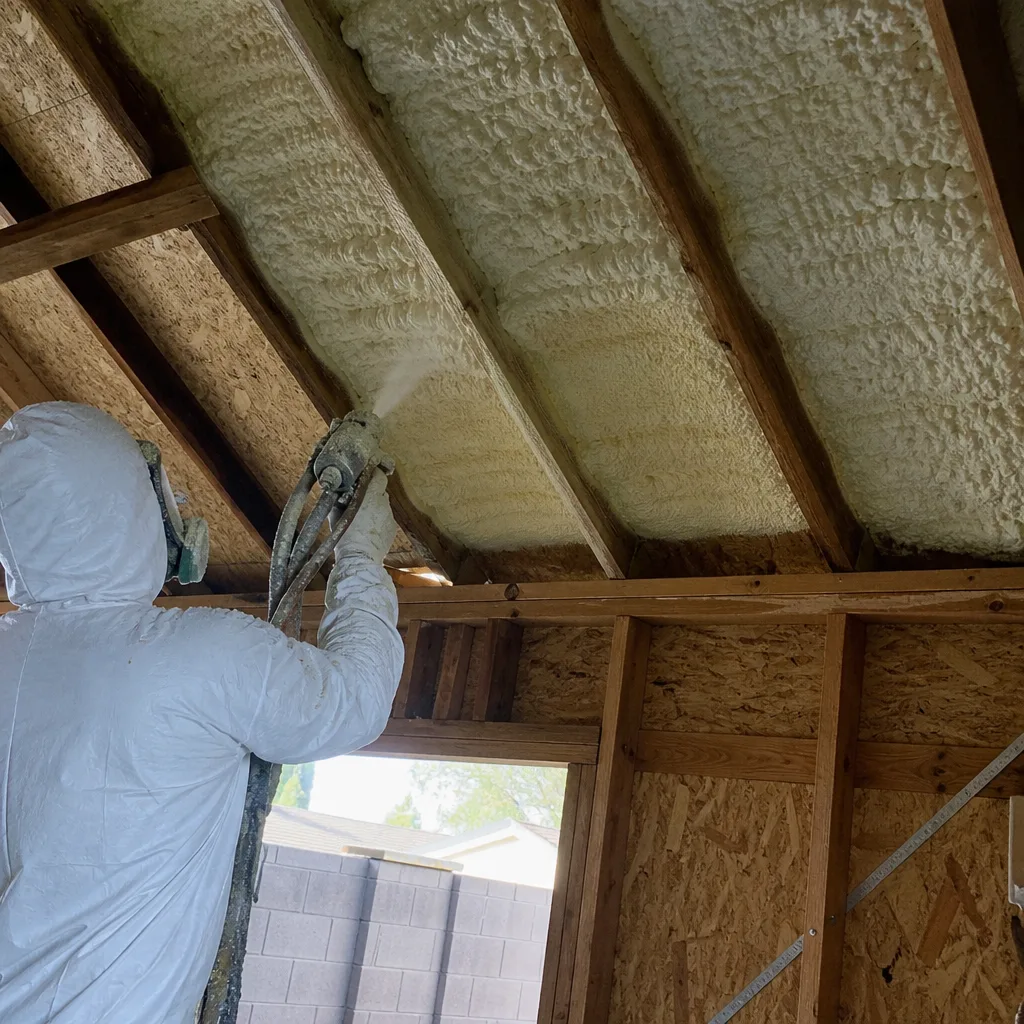
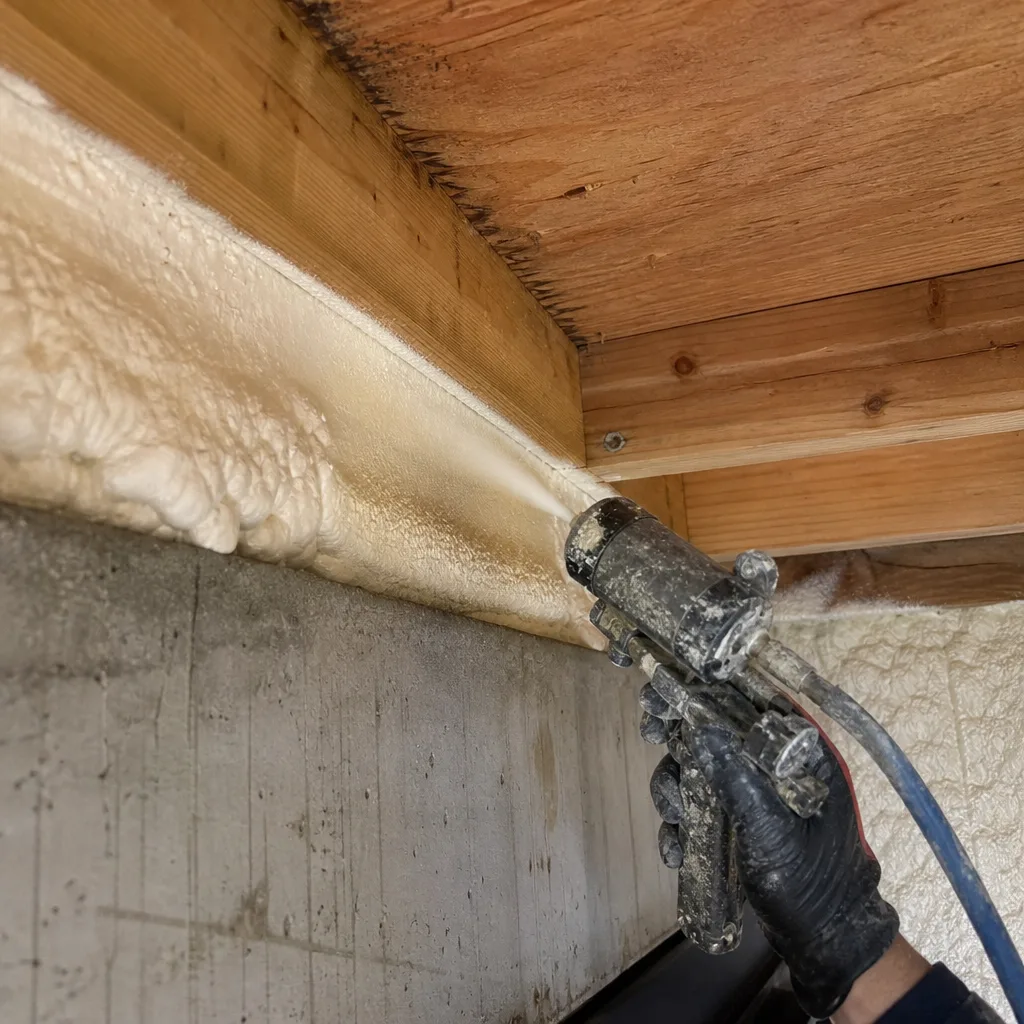
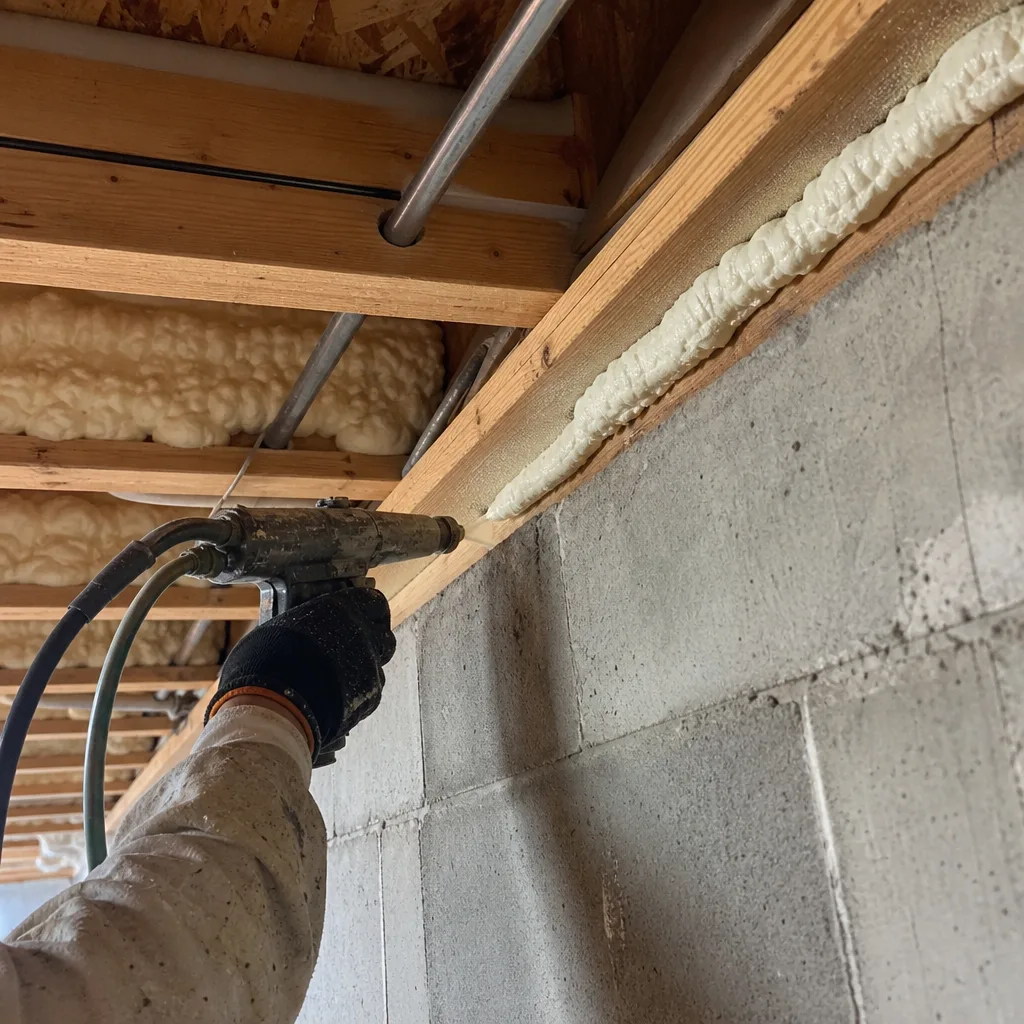
The problem: a house near Sunrise Manor had a ceiling that leaked cool air everywhere. The gaps around wiring, plumbing, and recessed lights acted like open windows into 150°F attic air. What we did: we applied closed-cell spray foam from Icynene and Demelec along the roofline to close those gaps and stop the thermal path in one pass, since foam seals and insulates where fiberglass alone can’t. The result: the room under that ceiling went from noticeably hot to consistent, and the HVAC stopped cycling as hard in the middle of the day.
Radiant Barrier Installation: Cutting the Attic Heat Load
The problem: in a house near Summerlin, the equipment closet sat directly under a west-facing roof. In summer the attic got so hot that the air handler had to fight the attic before it could cool the house. What we did: we installed a foil radiant barrier across the underside of the rafters, leaving an air gap for the foil to reflect heat rather than absorb it, and paired it with air sealing at the ceiling line. The result: the attic stayed measurably cooler on the hottest afternoons, and the cooling system had less work to do.
Attic Cleaning & Rodent Proofing: Removing a Nest, Sealing the Entries
The problem: a homeowner in the east valley heard scratching above the ceiling and found droppings in the insulation. Rodents here nest close to the warm roof deck, and once they’re in, the insulation is contaminated and stays that way. What we did: we removed the soiled material, cleaned and sanitized the space, sealed the entry points around vents and eaves, then installed fresh GreenFiber insulation. The result: the noise stopped, the attic got clean, and the house held its temperature again without having to work around a drafty, contaminated ceiling.
Want Results Like These?
Every transformation on this page started with a home energy audit, the diagnostic step that tells us exactly where your house is losing money. Most jobs are completed in a single visit, backed by our 90-Day Done Right Promise, and pricing is upfront with no surprises. Live techs answer 24/7. Call (844) 560-6351 for a free estimate, and we’ll show you what your attic could look like after.
Written by the team at Warmline Insulation Las Vegas.